October 23, 2026
Humidity levels can significantly impact both drywall and paint in various ways. Understanding these effects is crucial for homeowners, builders, and local drywall contractors. This article explores key questions and topics around the impacts of humidity on drywall and paint.
How Does Humidity Affect Drywall?
Impact on Structural Integrity
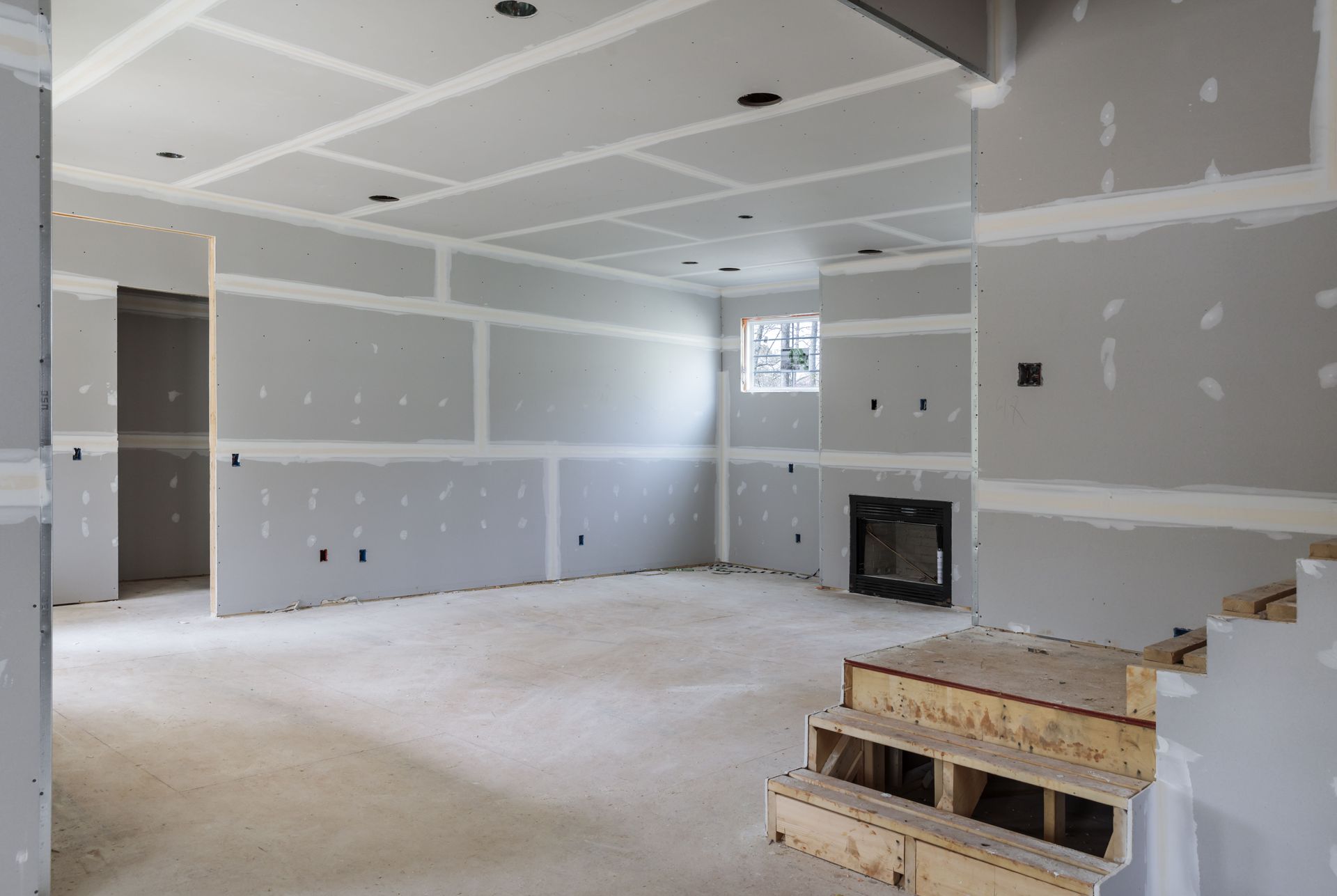
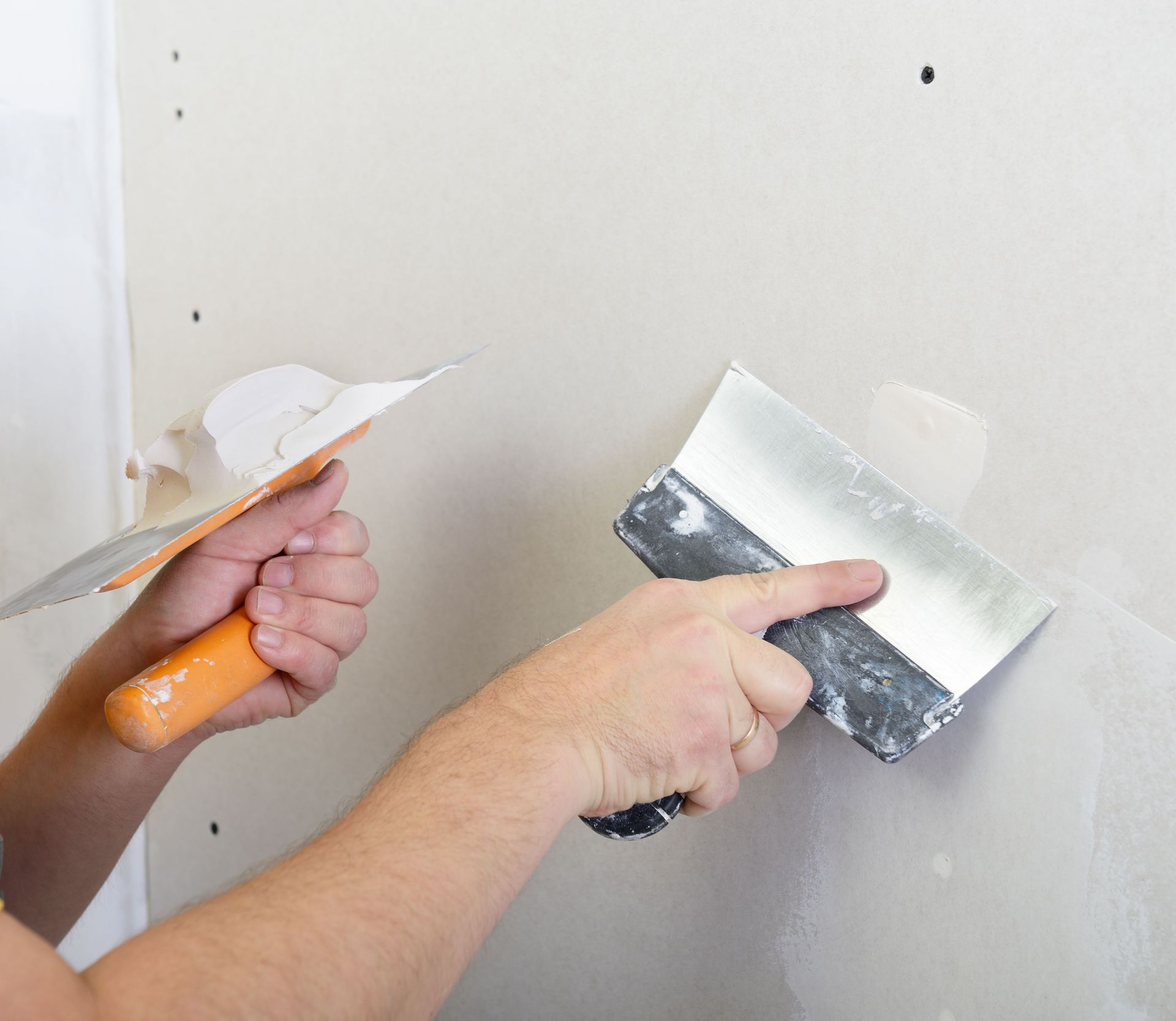
Drywall, also known as gypsum board, is a fundamental component in construction that can be adversely affected by humidity. When exposed to high humidity, drywall can become soft and lose its structural integrity. This softening is due to the absorption of moisture by the gypsum, which could lead to sagging or even complete collapse if not addressed promptly. The combination of moisture and gravity tends to exacerbate these effects, making regular inspection an essential part of home maintenance.
In regions where humidity is a constant concern, relying on a local drywall contractor for installation and repair can ensure that appropriate materials and methods are used to mitigate structural damage. By doing so, you can help maintain your drywall’s strength and longevity, ensuring it stands the test of time.
Signs of Humidity Damage
Identifying signs of humidity damage in drywall early can help prevent costlier repairs down the line. Common indicators include discoloration, bubbling, and peeling paint, which often signal underlying moisture issues. Additionally, warped or swollen areas on walls can point to increased moisture absorption, indicating possible damage to the core of the drywall.
Homeowners should also be wary of musty odors, as these can be indicative of mold growth behind the walls, a problem that can threaten both health and building materials. According to iPropertyManagement, approximately 10% of US homes have dampness or mold issues that are not visible to the naked eye, often hiding behind drywall or under flooring, necessitating professional thermal imaging for accurate detection.
Preventative Measures
Preventative measures are critical to safeguarding drywall from humidity-related damage. One effective strategy involves maintaining a consistent indoor humidity level, ideally between 30% to 50%, to minimize stress on drywall materials. This can be achieved through the use of dehumidifiers, especially in basements and other areas prone to high moisture.
Proper ventilation is also a key component in managing indoor humidity. Installing exhaust fans in bathrooms and kitchens can help expel excess moisture. Additionally, working with a local drywall contractor to choose moisture-resistant drywall options during construction or renovation can provide an added layer of protection.
Recommendations from a Local Drywall Contractor
A local drywall contractor understands the specific climate challenges of your area and can offer tailored solutions to combat humidity effects. These experts often recommend the use of water-resistant gypsum boards, commonly referred to as green boards, in areas susceptible to moisture such as bathrooms and kitchens.
Moreover, contractors may advise regular inspections to catch early signs of damage. They also emphasize timely repairs, as delaying necessary maintenance can lead to exacerbated problems and higher repair costs. Professional contractors bring invaluable expertise, ensuring your home remains structurally sound and aesthetically pleasing.
What Role Does Humidity Play in Paint Drying and Curing?
Optimal Humidity Levels for Paint Application
Applying paint under optimal humidity conditions is crucial for achieving a smooth, durable finish. Ideally, paint should be applied when the relative humidity is between 40% and 70%. At these levels, paint can dry and cure properly, adhering well to surfaces and providing a vibrant finish.
Excessively low humidity can cause paint to dry too quickly, leading to visible brush marks, while high humidity can slow down the drying process, increasing the risk of drips and imperfections. For the best results, consulting with a local drywall contractor or a professional painter who understands the local climate can be highly advantageous.
Consequences of High Humidity While Painting
Painting in high humidity can lead to several problems, primarily due to the extended drying times. When drying is delayed, the paint remains vulnerable to dust, debris, and other contaminants sticking to the wet surface, which can compromise the finish quality. Additionally, high humidity can cause paint to blister, resulting in an undesirable texture that often necessitates repainting.
Prolonged drying times can also lead to adhesion issues. If paint layers do not cure properly, subsequent coats may not bond well, leading to early peeling or flaking. To avoid these pitfalls, it is essential to monitor weather conditions and humidity levels, timing your painting projects to coincide with favorable environmental factors.
Professional Painter Insights
Professionals in the painting industry stress the importance of testing humidity levels before starting a project. This can be done using a hygrometer or by consulting weather forecasts. Experienced painters often have contingency plans, such as postponing painting projects during excessively humid periods or utilizing climate-controlled environments to ensure optimal results.
These pros often recommend using specially formulated paints designed to withstand fluctuations in humidity and maintain a consistent appearance. Employing strategies and products that align with your region's climate can significantly enhance the longevity and appearance of paintwork in your home.
Local Drywall Contractor's Perspective
A local drywall contractor can also offer valuable insights into selecting the appropriate paints and finishes for humid areas. By understanding both your home's specific conditions and broader regional trends, contractors can recommend products that provide resilience against humidity's challenges.
Collaborating with contractors who have extensive experience in both drywall and paint applications can lead to more integrated solutions. This partnership can help address potential issues before they arise, ensuring not only aesthetic appeal but also structural soundness and longevity.
Can Humidity Cause Mold Growth on Drywall?
Conditions Favoring Mold Development
Mold thrives in damp, poorly ventilated environments, making high humidity levels a common precursor to mold growth on drywall. When moisture from the air enters drywall, it creates an ideal growth medium for mold spores, which are ever-present in both indoor and outdoor air.
Once mold growth begins, it can spread rapidly, discoloring walls and compromising air quality. To prevent mold proliferation, maintaining low interior humidity is crucial. Regularly using dehumidifiers and ensuring adequate ventilation can significantly reduce the risk of mold growth on drywall.
Inspection Tips for Homeowners
Homeowners should conduct regular inspections to catch early signs of mold, which may not be immediately visible. Focus on areas that are often exposed to moisture, such as bathrooms, basements, and around any piping. Look for discoloration and feel for soft spots that may indicate moisture absorption.
Utilizing professional thermal imaging services can uncover hidden mold issues within drywall, a recommendation supported by the statistic from iPropertyManagement that roughly 10% of homes have unseen dampness or mold concerns. Thermal imaging can identify anomalies that the naked eye might miss, ensuring thorough and accurate detection.
Mold Remediation Strategies
If mold is detected, immediate remediation is necessary to prevent further damage and health risks. This process often involves cleaning affected areas with appropriate chemicals to remove mold and spores. In severe cases, removing and replacing contaminated drywall may be necessary for a complete remedy.
Professional mold remediation services can assess the extent of the issue and provide comprehensive strategies for resolution. By targeting the root cause of moisture intrusion, these services can help eliminate conditions conducive to mold growth and safeguard both health and structural integrity.
Advice from Local Drywall Contractors
Local drywall contractors often provide invaluable advice to homeowners concerning mold prevention and remediation. These experts recommend incorporating mold-resistant drywall in high-risk areas, which can inhibit growth even under humid conditions.
Contractors can also suggest improvements in home insulation and ventilation, both of which are critical in controlling humidity and preventing mold. By understanding both the local environment and available materials, these professionals offer tailored solutions to effectively manage and mitigate mold risks.
Humidity's impact on drywall and paint is a critical consideration for maintaining the integrity and aesthetics of any building. By consulting with local drywall contractors and implementing effective prevention strategies, property owners can mitigate these impacts and preserve their interiors in optimal condition. Embracing informed practices in construction and maintenance not only enhances the durability and appearance of home interiors but also provides a healthier living environment. Reach out to Donovan's Painting & Drywall today to see how we can help you!